Established Vs Newer Rochester Areas For Upscale Buyers
June 11, 2026
June 11, 2026
If you are weighing Rochester’s established neighborhoods against its newer edge areas, you are really choosing between two very different luxury lifestyles. One offers close-in convenience, architectural character, and mature streetscapes. The other offers more land, newer construction, and a stronger sense of privacy. Understanding how Rochester is planned, built, and growing can help you focus your search and buy with confidence. Let’s dive in.
Rochester’s housing pattern is shaped by the city’s comprehensive plan, growth-management framework, and Unified Development Code, which took effect on January 1, 2023. In simple terms, the city guides where growth happens and how private property can be developed.
For you as a buyer, that planning framework shows up in everyday ways. Established areas tend to be closer to downtown, with shorter setbacks and a more compact street feel. Newer areas tend to be more planned and uniform, often with larger lots and a more land-intensive layout.
That means this is not just a style decision. It is also a question of how you want to live day to day, how much space you want around you, and how much flexibility you may need for renovations or future plans.
Older Rochester neighborhoods were generally built closer to downtown and reflect an earlier pattern of development. The city’s historical context identifies Pill Hill, Kutzky Park, Soldiers Field, Northrup, Homestead, and East Side Pioneers as examples of these in-town residential areas.
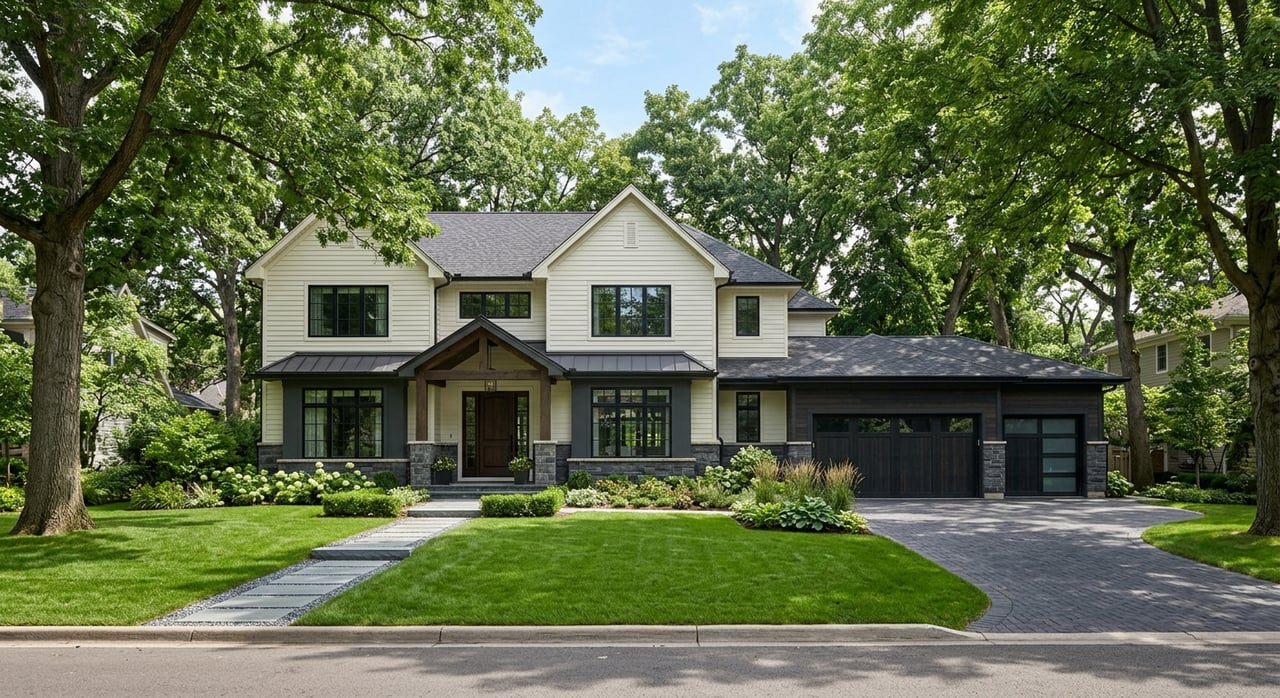
For many upscale buyers, the appeal starts with character. These neighborhoods often have mature trees, varied lot shapes, and homes that do not feel repeated from one block to the next. You may also notice a stronger sense of place because the homes sit closer to the street than newer subdivisions.
Pill Hill was Rochester’s premier residential area in the 1920s. Most homes there were built between 1912 and 1940, and the neighborhood includes Tudor, Colonial, Craftsman, and Prairie-style architecture.
That matters if you want a home with design pedigree and lasting visual interest. Many of these homes were designed by architects rather than builders, which can create a more distinctive look and a more curated feel.
Kutzky Park is another close-in option, though with a different housing pattern. The city describes it as an area with modest lots and mostly builder-designed homes from the 1920s and 1930s.
For you, that can mean a more approachable version of established Rochester living. You still get the benefits of an older neighborhood pattern, but often with a different scale and lot rhythm than some of the city’s most architecturally notable areas.
Character often comes with added homework. In Rochester, designated historic properties can require a certificate of appropriateness for some exterior-visible changes, additions, or new buildings and site development in designated landmark districts.
If you are considering a significant remodel, this is important to understand early. A home may be beautiful and well located, but your long-term plans should align with what is allowed for the property.
The city notes that setbacks differ by subdivision and that property lines should be verified by survey rather than assumed from a fence line. This can be especially important in older neighborhoods where lots may be more irregular.
If you are buying an established luxury home and thinking ahead to an addition, a garage change, or exterior updates, verifying lot lines and zoning details upfront can save time and prevent surprises. It is one of the clearest examples of why older homes deserve a more tailored review.
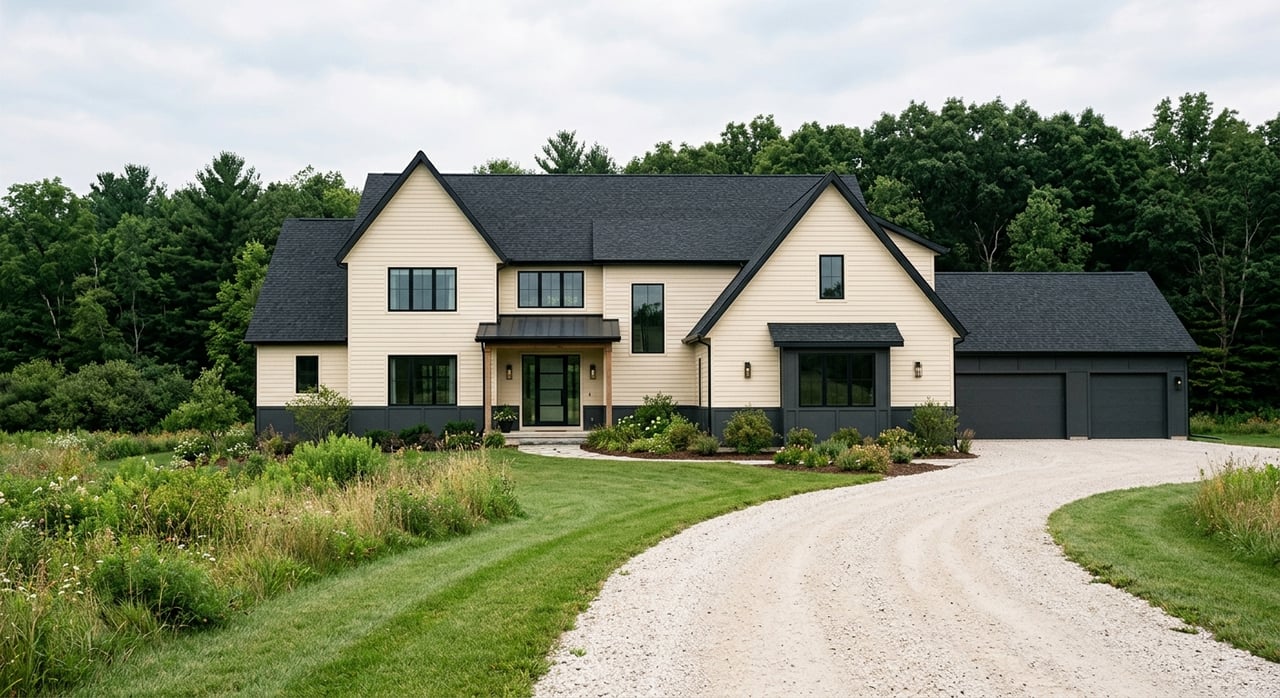
If your top priorities are acreage, privacy, and newer finishes, Rochester’s outer-edge and fringe areas may be a better fit. These locations tend to offer the product many luxury buyers want today: larger homesites, newer construction, and more separation between properties.
The 2025 Olmsted County housing study offers a useful look at this fringe market. In the Rochester Fringe submarket, there were 24 active single-family subdivisions with 420 vacant lots, and the average lot size was 1.83 acres.
That is a meaningful contrast to Rochester’s broader submarket median detached lot size of 0.31 acres in 2025. If land is part of your definition of luxury, the edge of the market clearly offers a different level of space.
The same study found that the Rochester Fringe had the highest assessed single-family lot value at nearly $147,000. It also reported an average assessed new-home price of about $674,800.
For upscale buyers, that reinforces a simple reality: larger-lot living is available, but premium land costs are visible in this segment. You are often paying not just for the house itself, but for the scale, privacy, and newer development pattern that comes with the location.
Rochester and the fringe contain most of the active single-family subdivision inventory in the county market area. At the same time, the housing study says finished-lot inventory is inadequate for most jurisdictions in the short term, based on recent building trends.
So while newer construction is available, you should not expect unlimited options in the most desirable new-build pockets. If you have a specific vision for lot size, layout, or location, timing and preparation still matter.
For many luxury buyers, the decision comes down to how you want your week to feel. Established in-town areas usually offer easier access to downtown Rochester, where major civic and employment functions are concentrated. Newer edge areas usually offer more room to spread out and a more suburban or semi-rural feel.
Neither option is automatically better. The right choice depends on how you balance access, privacy, architecture, and future flexibility.
Downtown Rochester sits at the center of major city activity, and Rochester Public Transit supports access with three park-and-ride lots offering express service to downtown and Saint Mary’s. Downtown also has six parking ramps, eight surface lots, and 1,429 on-street meters.
If your schedule is busy and efficiency matters, living closer in may simplify daily routines. For some buyers, that convenience becomes just as valuable as square footage or lot size.
If you prefer a quieter setting, newer fringe areas may align better with your goals. The larger lots and lower-density feel can create a stronger sense of retreat, especially if you value outdoor space, wider setbacks, or a more private arrival experience.
That does not mean you lose access to Rochester’s broader amenities. The city has more than 3,500 acres of parkland and more than 148 miles of trails, so recreation remains part of the lifestyle picture across the market.
| Priority | Established Rochester Areas | Newer Rochester Areas |
|---|---|---|
| Location pattern | Closer to downtown | Outer-edge or fringe locations |
| Home style | Historic and varied | Newer and more uniform |
| Lot pattern | Often smaller or more irregular | Generally larger and more planned |
| Street feel | Shorter setbacks, denser feel | More separation and open feel |
| Renovation process | May require more review and diligence | Typically more straightforward, depending on zoning |
| Best fit | Buyers who value character and convenience | Buyers who value land, privacy, and newer construction |
Before you focus on any one pocket of Rochester, it helps to be clear about your priorities. A few practical questions can quickly narrow the field.
Ask yourself:
These questions may sound simple, but they often reveal which side of the established-versus-newer decision truly fits your lifestyle.
In Rochester, luxury is not defined by one neighborhood type. It can mean a historically significant home near the city core, or it can mean a newer property on a much larger homesite at the edge of town.
The right move is usually less about price point alone and more about matching the property to your routines, preferences, and long-term plans. If you value close-in convenience and architectural character, established areas deserve a close look. If you want newer construction, more land, and more privacy, fringe and newer subdivisions may offer the better fit.
A thoughtful search in this market starts with clarity. When you know which tradeoffs matter most, you can evaluate Rochester’s upscale areas with much more confidence.
If you are comparing Rochester neighborhoods, planning a relocation, or weighing historic character against newer construction, Michelle Kalina offers a private, White Glove approach designed to make your search clear, efficient, and tailored to your lifestyle goals.
Stay up to date on the latest real estate trends.

Whether you're purchasing your dream home or selling a prized property, Michelle offers strategic insight, elevated marketing, and results-driven representation. She blends local expertise with national reach and a global perspective — always thinking creatively, advocating fiercely, and treating every client like family.