The Cave At Quarry Hill Park Was Never Built To Be Discovered
September 17, 2026
September 17, 2026
Most people who walk their dogs past the locked gate near the pond have no idea the cave exists at all.
Quarry Hill gets treated, understandably, as Rochester's default answer to "somewhere to take the kids." Trails, an aquarium, a pumpkin patch every September. What gets lost in that shorthand is that almost none of what makes the park interesting was designed for recreation in the first place. It was built as working infrastructure for an institution, and the fact that you can now tour it on a Sunday afternoon says less about the cave than it does about what the city and a small nonprofit did with it afterward.
The cave was dug in 1882, and it was not dug for wonder. It was carved out of a St. Peter sandstone hillside to serve as a cellar, storing vegetables grown on the hospital's own farm. That farm was not a small operation. At its peak the hospital was working more than 1,000 acres and feeding close to 2,000 people with food it raised itself, according to Quarry Hill Nature Center's own historical records.
By 1941 the hospital had scaled up enough to can 21,169 gallons of vegetables that year alone. It still needed the cave. That same year, the cellar held 20 barrels of dill pickles and 15 tons of sauerkraut, foods that canning and early refrigeration hadn't yet made obsolete. The cave's usefulness only ended once electric refrigeration and canning fully took over food preservation, which is a fairly mundane way for a hundred-year-old cave to lose its job.
The cave is one surviving trace of the hospital's past. The hospital's cemetery on the park grounds holds 2,019 gravesites, all carefully platted but for decades marked only by number. In more recent years, the Rochester State Hospital Recognition Group and Advocating Change Together began the work of marking roughly 500 of those headstones with names.
The cave is the most dramatic example, but it isn't the exception. The stone fireplace near one of the picnic areas was built around 1936, on a spot that had been a landfill for the hospital's glass and cans. Once the site was cleaned up, patients and staff used the fireplace to cook and gather around before it became, eventually, just a picnic spot with a nice fire pit. The pond, the oak savanna, the old quarry pit where visitors can still spot fossils in the exposed limestone: all of it sits inside the footprint of a working psychiatric hospital that operated on this land for the better part of a century.
None of this is presented at the park as a secret. It is simply not what most visitors are thinking about when they pull into the lot to let the kids run around before dinner.
The city of Rochester bought the original 212 acres from the state in 1965 for $21,200. A nature center building went up in 1972 through a genuinely community-funded effort, spearheaded by the local Kiwanis Club along with other organizations and families who wanted the space to become something educational rather than sit fenced off. The arrangement that resulted is still in place: the city owns the land, and Rochester Public Schools funds a substantial share of the environmental science programming that runs out of the building.
The park kept growing through additional land purchases in the 1990s and 2000s, eventually reaching its current 329 acres and the roughly 8 miles of paved and dirt trails that now connect through it, feeding into the larger citywide trail network that links much of Rochester end to end. A nonprofit called Friends of Quarry Hill Nature Center formed in 1985 specifically to raise private money for programming the city budget couldn't cover, and it still runs the park's public events today, including September's Fall Festival.
The cave itself changed status in 1990, when two of its three original entrances were sealed with limestone. This wasn't neglect. It was a deliberate choice to protect the cave once it stopped being anyone's cellar and started being a historic feature worth preserving. The seals left small rectangular openings so wintering bats, cave crickets, and a summer resident bird called the phoebe could still pass through. Even the decision about how to close it was made with an eye toward what should keep living there.
Quarry Hill Nature Center runs public programs most Sundays at 1:30 p.m., and the cave tour rotates through as one of them alongside live animal programs and bird banding sessions. The tour itself runs about an hour and starts with a ten-minute walk from the Nature Center building. Space is limited and reservations are recommended, which is worth knowing before you show up expecting to walk right in.
Outside the tour schedule, the rest of the park is open on your own time. The trails wind through meadow, floodplain, and upland forest, the pond is stocked for casual fishing, and the exposed limestone in the old quarry still turns up fossils if you know where to look. Inside the Nature Center, the Exploration Hall keeps a 1,700-gallon native-fish aquarium along with live reptiles, birds, and amphibians on permanent display, all free to walk through. Come winter, the same trail network gets groomed for cross-country skiing, with rentals available on site.
Early fall, with the leaves starting to turn and before the ground gets too cold for the cave tour to run comfortably, is a reasonable window to finally take the walk past that locked gate.
Quarry Hill doesn't feel like most nature centers because it isn't built like most nature centers. It's built on top of an institution's working farm, its landfill, and its cemetery, all of it patiently converted into public space over sixty years by a city government, a school district, a volunteer nonprofit, and a scattered community effort to put names back on what the institution left unmarked. The cave is another surviving part of that history, and it is now part of the tour.
If you already live in Rochester, that's a different way to think about a park you've probably visited a dozen times without ever booking the Sunday tour. If you're weighing a move here and want someone who can talk about the city in this kind of detail rather than in the vocabulary you've already read on three other sites, Michelle Kalina has spent her career in this market and is glad to have that conversation, whether it starts with real estate or with a cave.
Stay up to date on the latest real estate trends.
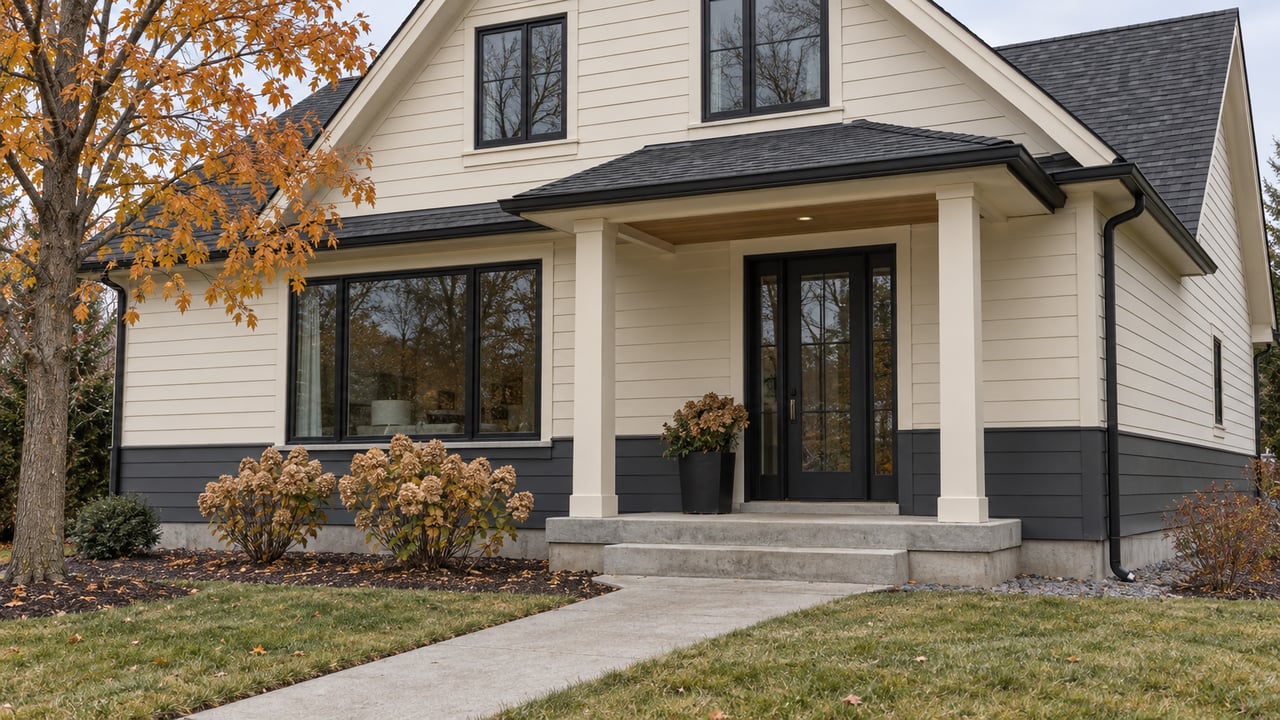

Privacy begins at the entrance. Discover the comfort, connection and country club lifestyle of Bearpath in Eden Prairie.
Whether you're purchasing your dream home or selling a prized property, Michelle offers strategic insight, elevated marketing, and results-driven representation. She blends local expertise with national reach and a global perspective — always thinking creatively, advocating fiercely, and treating every client like family.