What to Know About the Rochester Grizzlies Hockey Season
September 10, 2026
September 10, 2026
The Post Bulletin quoted new head coach Marty Raymond: "They're hungry, and they want to prove something."
He described the young roster he inherited last September. He took the job with barely a month to prepare, stepping in after longtime coach Tyler Veen left in August 2025 to become an assistant at Augsburg University. Raymond had never coached in the Grizzlies' league before. What he inherited was a program that, one season earlier, had proven it belonged among the best Tier III junior hockey teams in the country. Rochester's summer sports calendar gets plenty of attention, from Thursdays Downtown to a Honkers season every July. The city's junior hockey team runs on a quieter schedule, and it just spent two seasons proving it deserves the same notice.
The Grizzlies play in the North American 3 Hockey League, the entry tier of USA Hockey's junior development pipeline for players aged 16 to 20. It exists to get teenagers good enough for the next level, whether that's a Tier II league, a four-year college program, or further. The Grizzlies won the league's national championship, the Fraser Cup, in 2022. Three seasons later, in 2024-25, under then-coach Tyler Veen, they got back to that same national tournament for the first time since the title year, advancing to the Central Division Finals for a sixth consecutive season and then all the way to St. Louis for the national bracket, where a dramatic assist from Dodge County product Brett Ludvigsen won the tournament opener.
A large share of that run belonged to Mason Decker, a product of Rochester's own John Marshall High School who was a rookie that season. Decker led the team in goals with 25, finished third on the roster in total points with 42, and then topped every Grizzlies skater in the playoffs with five goals and seven points, pacing the run to nationals. Rochester brought him back for what the team called his second and final season in 2025-26.
That kind of season tends to get a coach a promotion. Veen left for Augsburg University that August, and Raymond walked into a program that had just shown what it was capable of, with a month to figure out how to keep it there.
The franchise's roots go back further than most residents probably assume. It started in 1996 as the Minnesota Ice Hawks, playing out of Le Sueur, Minnesota, and didn't move to Rochester until 2002, after the city's previous junior team, the USHL's Rochester Mustangs, folded. It became the Rochester Ice Hawks before the 2009-10 season, then changed ownership entirely after the 2017-18 season, when the group behind the Austin Bruins, a Tier II team in nearby Austin, Minnesota, bought the franchise and renamed it the Grizzlies. The two organizations still share ownership today, and Grizzlies season ticket holders get discounted tickets to Austin Bruins games as part of their package.
Here's the shape of the program heading into the new season:
| Founded | 1996, as the Minnesota Ice Hawks; moved to Rochester in 2002 |
| Renamed Grizzlies | 2018, under ownership tied to the Austin Bruins |
| Home rink | Rochester Recreation Center, 2,600 seats |
| League | North American 3 Hockey League (NA3HL), Central Division |
| National title | 2022 Fraser Cup |
| 2024-25 finish | Central Division Finals, sixth straight year; Fraser Cup nationals, first since 2022 |
| 2025-26 (through December) | 17-12-0 under new head coach Marty Raymond |
The clearest evidence this program does more than fill a Saturday night schedule shows up in where its players land once they leave. In roughly the past year and a half, three different Grizzlies forwards have signed with four-year college hockey programs. Isaac Flatley left for the University of Mary in April 2025. Tommy Woods signed with West Virginia University the following month. Felix Wadströmer committed to Midland University this past July. None of those are marquee Division I names, but they are real rosters at real four-year programs, and three placements inside that stretch suggests the development pipeline keeps working regardless of who's behind the bench in a given year.
The traffic runs the other direction too. Conrad Edlund, a forward out of Sweden's Bäcken HC U20 program, joined the Grizzlies this past April, one of the international pickups the organization tends to make most years. The 2025-26 roster mixed that kind of import with hometown and regional talent: Decker, the John Marshall product playing his final junior season, alongside Kade Overocker, an Austin, Minnesota native fresh off a standout senior year at Austin High. A rink that seats 2,600 people has room for players from three different backgrounds on the same bench in the same season.
None of the above is old news dressed up as current events. It's the setup for what's happening now. The Grizzlies' 2026-27 season tickets are already on sale, and if the schedule follows last year's rhythm, when Rochester opened at home against the Wisconsin Woodsmen on a Saturday night in mid-September, puck drop for the new season is close at hand. Raymond enters his second year with a full offseason to build the roster himself instead of inheriting one with a month's notice, and with assistant coaches Bob Montrose and Bub Ratzloff, who were already entering their third season with the organization when Raymond arrived, still providing the kind of continuity a first-year head coach doesn't usually get.
For a resident weighing how to spend a Saturday night this fall, the practical case is straightforward. The building holds 2,600 people, so even a modest crowd fills the room, and a single-game ticket doesn't require the planning a bigger arena would. It's the kind of outing that fits into a week without asking for its own weekend, the same way Thursdays Downtown fits into a summer without asking much of one either.
Rochester's sports calendar tends to organize itself around what's easy to see coming: festivals with posters up months ahead, a ballpark everyone already has an opinion about. The city's junior hockey team runs on a different clock. It went quiet for a few years, put together a run to St. Louis two seasons ago, absorbed a coaching change without missing a beat, and opens another season this month the way it always has, with little fanfare and a roster that keeps landing at four-year programs once the players are ready to move on.
Rochester keeps handing out reasons to pay closer attention to the specifics of daily life here, whether that's a downtown festival calendar or a junior hockey program quietly feeding college rosters. That same attention to detail is what Michelle Kalina brings to clients navigating this market, whether they've lived here for years or are just getting to know the city.
Stay up to date on the latest real estate trends.
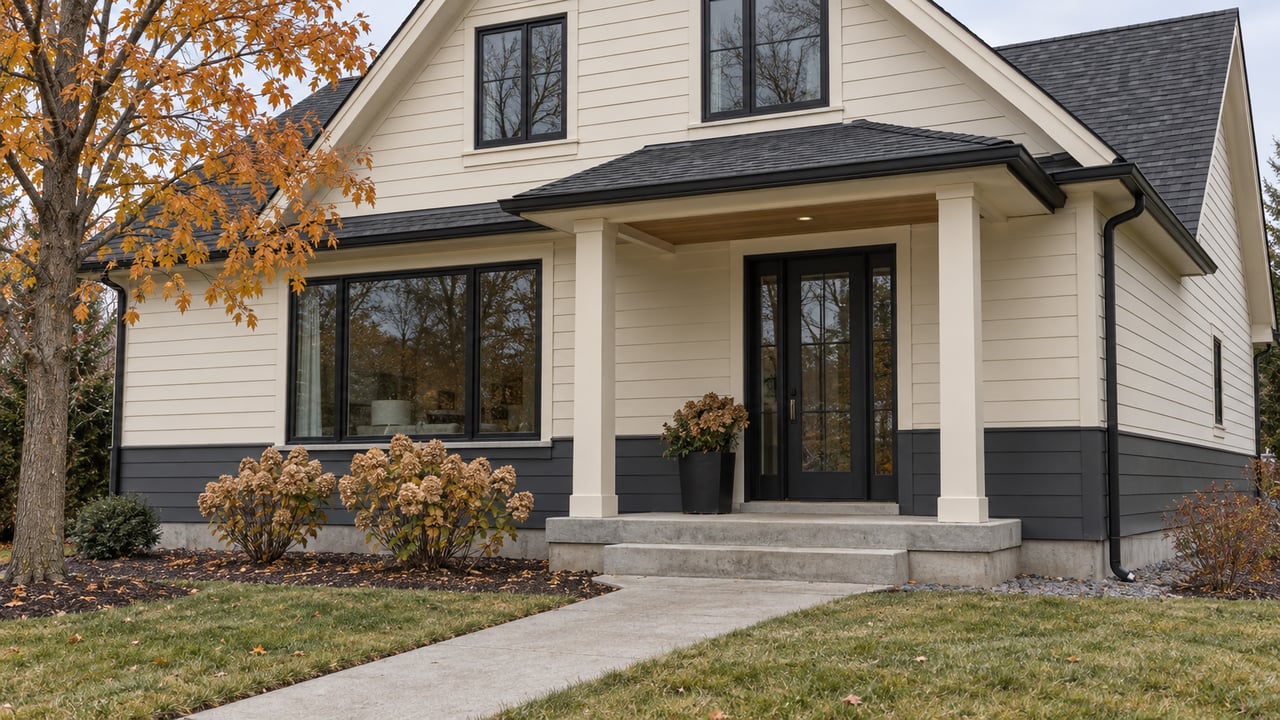

Privacy begins at the entrance. Discover the comfort, connection and country club lifestyle of Bearpath in Eden Prairie.
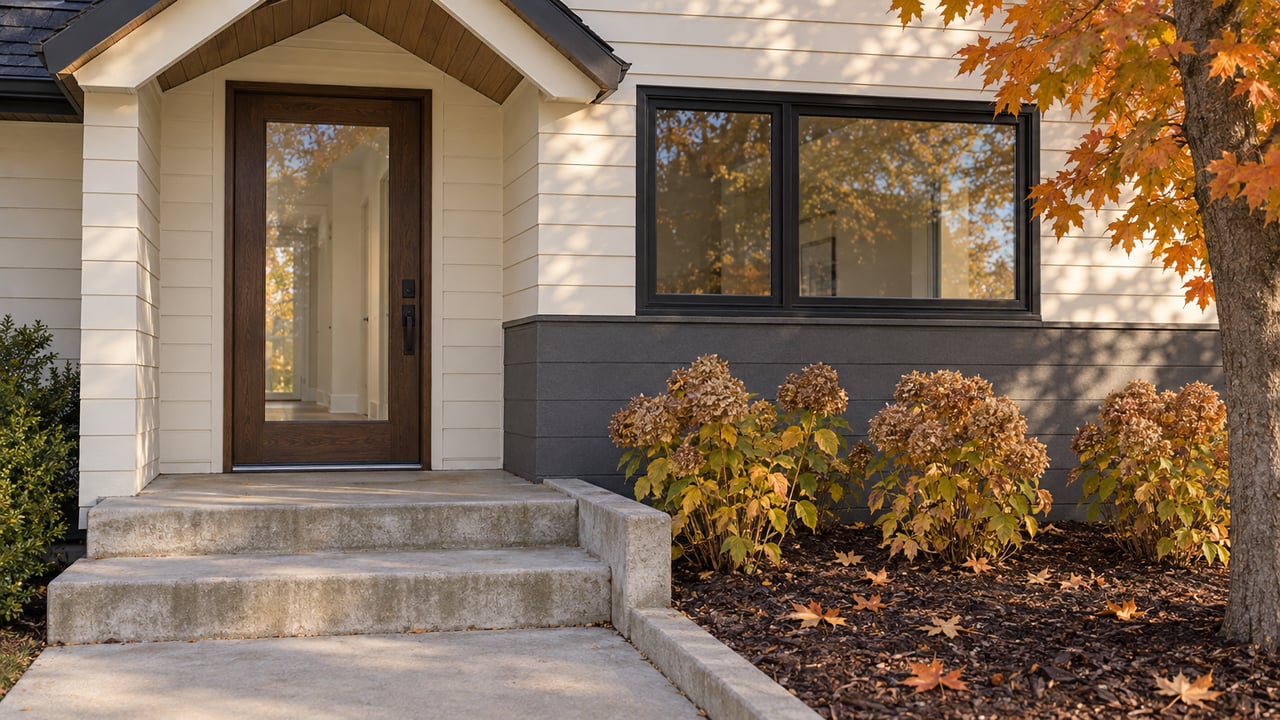
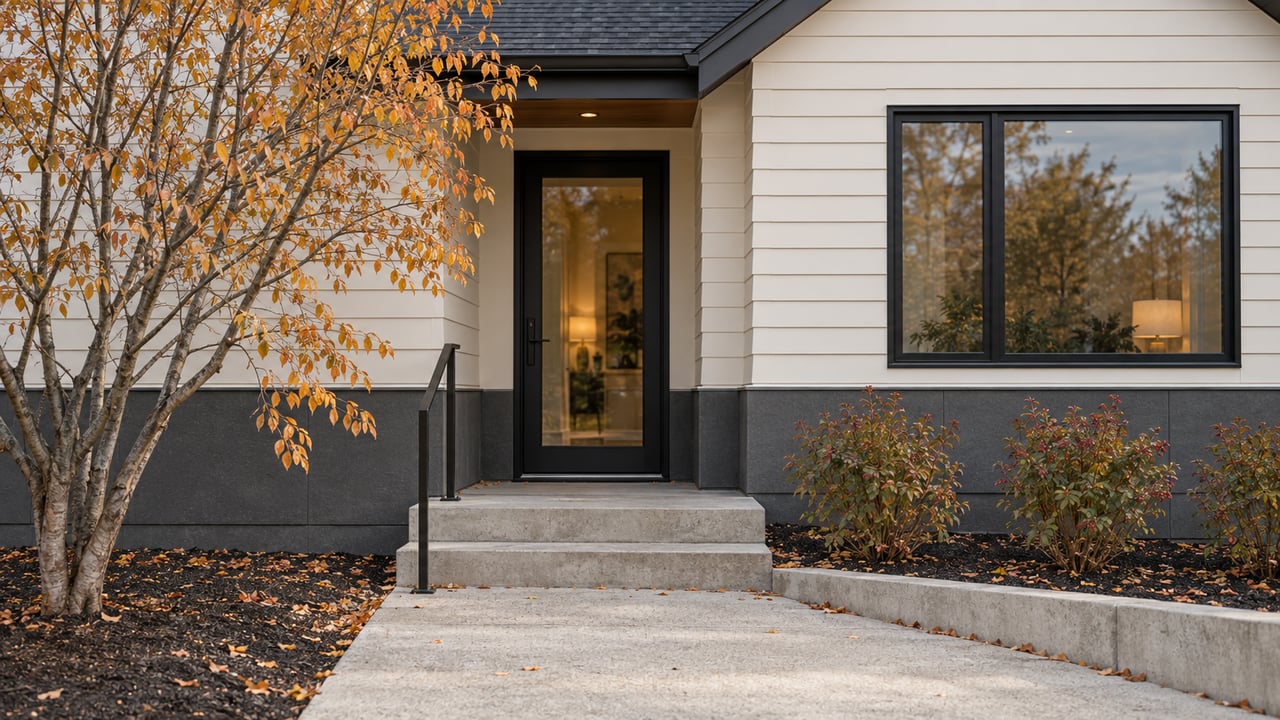
Whether you're purchasing your dream home or selling a prized property, Michelle offers strategic insight, elevated marketing, and results-driven representation. She blends local expertise with national reach and a global perspective — always thinking creatively, advocating fiercely, and treating every client like family.