Thinking about a gated neighborhood or an HOA community in Rochester but not sure how they work or what they really cost? You are not alone. Between private roads, snow contracts, reserves, and rules, it can feel complex fast. In this guide, you will learn how gated and HOA communities function in Rochester, what dues typically cover, how to evaluate documents, and where to find trusted resources. Let’s dive in.
Gated vs. HOA: What’s the difference?
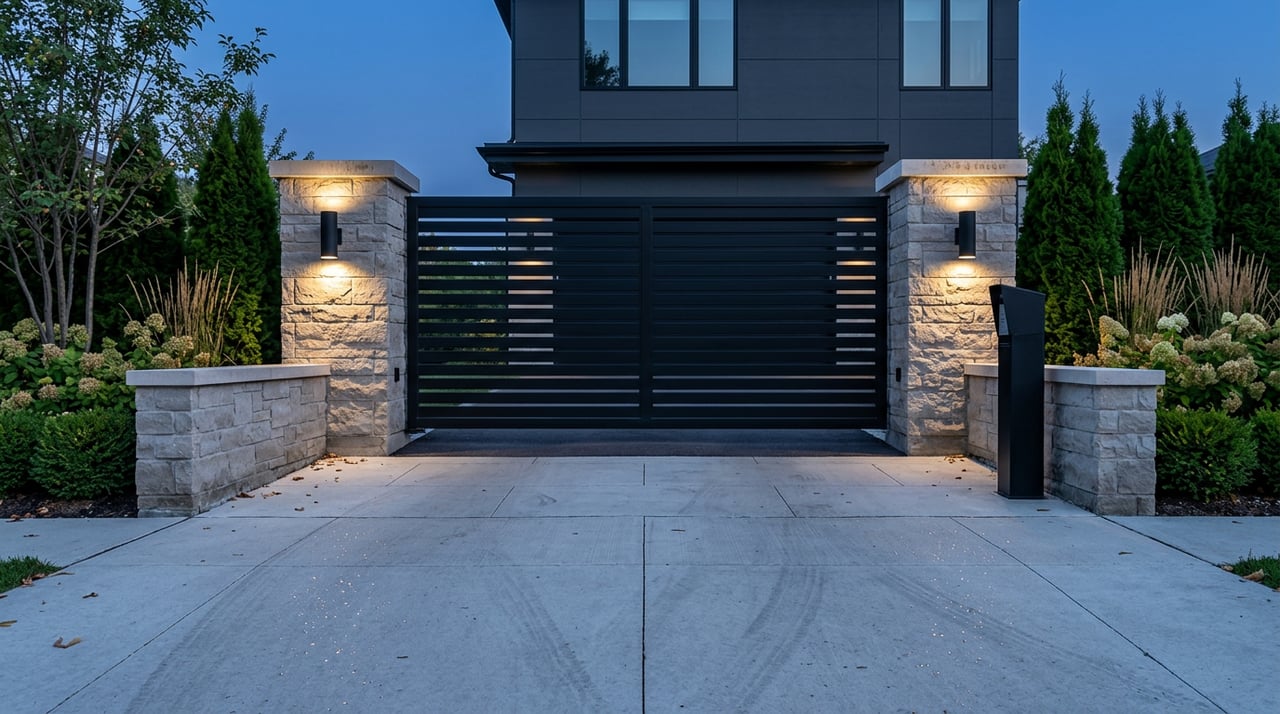
Gated refers to a physical entry feature and private access. An HOA is the governing body that manages common property, services, rules, and dues. Some Rochester neighborhoods are both gated and HOA‑governed, while many are simply HOA communities without gates.
Minnesota’s Common Interest Ownership Act (MCIOA), chapter 515B, sets the rules for most associations, including disclosures, budgets, reserves, and owner protections. You can review the statutory framework on the MCIOA chapter page.
Where you will find them in Rochester
You will see four main types in Rochester and Olmsted County:
- Small private or gated single‑family subdivisions. Current examples include Preserve of Mayowood and Pavilion Estates. These are specialty, higher‑cost options with private access, design standards, and HOA‑maintained entries.
- Single‑family neighborhoods with an HOA. These often share stormwater ponds, private streets, or landscaping obligations.
- Townhome and condominium associations. Many include exterior maintenance, master insurance, lawn care, and snow removal.
- Multifamily properties with an association or management firm.
Fully gated subdivisions are relatively uncommon within Rochester proper. When present, they are typically small, private developments positioned for privacy and convenience rather than large, staffed enclaves.
What HOA dues cover in Rochester
Services vary by community, but local patterns include:
- Exterior maintenance in townhome/condo settings, plus master insurance on buildings. See a local example of covered services at The Greens townhome HOA.
- Lawn and landscape care and seasonal work like fertilizing and pruning.
- Snow removal on private streets, common drives, and sometimes driveways, depending on the snow policy. In Rochester’s climate, snow is a major line item.
- Trash hauling contracts, streetlights, trail upkeep, stormwater system and pond maintenance.
- Private road and gate maintenance where applicable. In gated communities, the HOA typically funds entry system upkeep, power, and repairs. Pavilion Estates’ documents outline HOA responsibility for private streets, gates, and stormwater systems, a useful model for what to expect in similar settings. Explore Pavilion Estates to see how these responsibilities are described.
If you are buying a resale, review the seller’s HOA disclosure and MLS description for the exact services your dues include. Look for clear line items like lawn care, snow removal, exterior maintenance, master insurance, and professional management.
How much are dues in Rochester
Dues depend on what the HOA covers and the type of property:
- Some single‑family subdivisions with limited shared obligations charge annual dues in the low hundreds.
- Many townhome associations charge monthly dues in the mid hundreds, reflecting exterior maintenance, master insurance, snow removal, and management.
- Gated or amenity‑rich settings can be higher. Developer‑marketed gated homesites in Rochester show dues around several hundred dollars per month in some examples, consistent with maintaining private gates and roads. You can use Preserve of Mayowood as a current reference for a gated, higher‑service subdivision.
What drives the variation?
- Private road and gate responsibilities
- Level of amenities and services
- Inclusion of master insurance and exterior maintenance
- Reserve funding targets and whether a professional manager is engaged
Healthy reserves can raise dues modestly but often reduce the chance of special assessments later.
Rules, design controls, and governance
Every HOA is governed by recorded documents: the declaration (CC&Rs), articles, bylaws, and rules. Design or Architectural Review Committees often set standards for materials, exterior changes, fencing, and minimum specifications, particularly in custom or gated neighborhoods. You will find clear examples of design standards and private‑infrastructure responsibilities in Pavilion Estates’ materials.
Under MCIOA, associations adopt budgets, levy assessments, maintain reserves, insure the property, and enforce rules. Owners have statutory protections that include disclosures, access to certain records, and financial statement reviews. For a concise overview, see MCIOA chapter 515B.
Insurance is also governed by statute. Many townhome and condo HOAs carry master property and liability coverage, often insuring exteriors while owners cover interiors and contents. Review what the master policy includes and consider loss‑assessment coverage on your personal policy where appropriate. See the MCIOA insurance section for the statutory framework.
Your due diligence checklist
Request these documents before you finalize a purchase agreement or during your contingency period:
- Resale disclosure certificate, plus declaration, bylaws, and rules. Minnesota requires a resale disclosure that lists key financials, assessments, reserves, insurance, and pending special assessments. Review the MCIOA disclosure provisions.
- The current budget, most recent financial statements, and evidence of the replacement reserve balance and schedule. Minnesota law requires reserves in budgets and periodic review. Ask when the reserve study or schedule was last updated.
- Minutes from the last 6 to 12 months of meetings. Scan for discussions of major projects, litigation, or assessments.
- A list of any special assessments and the association’s delinquency rate. High delinquency or repeated special assessments are red flags.
- Master insurance declarations, including deductibles and what the policy covers.
- Rules affecting your plans, including rental policies, pet rules, and exterior modification standards.
- For private roads or gates, the maintenance agreement and evidence of dedicated reserves for road and gate replacement.
Red flags to watch for:
- Very low reserve balances or no reserve schedule
- Active or pending litigation
- Developer control that has not yet transitioned to owners
- Unclear responsibility for private roads, stormwater systems, or gates
Private roads and gates: costs to expect
Many newer plats use private roads maintained by the HOA. Confirm who owns the road, who must maintain it, and whether a dedicated road reserve exists. Rochester’s Unified Development Code outlines expectations for private roadway standards and maintenance arrangements. Review the city’s guidance in the UDC adoption draft and request the HOA’s road agreement and reserve plan.
For gated entries, expect the HOA to fund gate equipment, power, communications, and repairs. Automated gates are far more common than staffed gatehouses in Rochester. Gate repair or replacement can be a material cost, so verify the reserve line item for entry systems and ask how unexpected failures would be paid for.
Is a gated or HOA community right for you?
Choose based on your lifestyle priorities:
- You want less exterior upkeep. Townhome and condo HOAs can simplify yard work, snow removal, and exterior repairs.
- You value design consistency and shared standards. ARC guidelines help keep appearances uniform.
- You prefer privacy and limited access. A small gated subdivision may fit, with the understanding that gates and private roads add maintenance costs.
Take time to read the documents and align services and rules with your plans. If you need help navigating disclosures or weighing tradeoffs in Rochester’s options, reach out for a quiet, concierge approach.
Ready to explore Rochester’s gated and HOA communities with a trusted local advisor? Michelle Kalina offers discreet, white‑glove guidance for buyers and relocating professionals. Request a private White Glove consultation.
Local resources
- Minnesota Department of Commerce CIC Ombudsperson: education and free informal mediation for owners and associations. Visit the Ombudsperson office.
- Minnesota Homeownership Center: pre‑purchase counseling and education. Explore the Homeownership Opportunity Alliance page.
- Local reporting and tips: See the Post Bulletin’s homeowner perspectives on getting involved and reading your documents in this feature on HOA living.
FAQs
Are HOAs in Rochester legally powerful?
- Yes. Under Minnesota’s MCIOA, associations can adopt budgets, levy assessments, enforce rules and fines with due process, and record liens; owners also receive specific disclosures and record‑access rights. See the MCIOA overview.
Do gated communities provide better security in Rochester?
- Gates can reduce through traffic and add a sense of privacy, but most local gated neighborhoods use automated entries rather than staffed security; verify gate operations, access protocols, and emergency access in the HOA documents, as shown in examples like Pavilion Estates.
Can an HOA foreclose for unpaid dues in Minnesota?
- Associations have a statutory lien for assessments and can pursue collection up to foreclosure under Minnesota law, so staying current on dues is essential; confirm the association’s collection policy and delinquency rate in your review. See the MCIOA chapter.
What documents should I review before buying into an HOA in Rochester?
- Request the resale disclosure certificate, governing documents, budget, recent financials, reserve schedule, meeting minutes, master insurance declarations, and any road or gate maintenance agreements; Minnesota law details these disclosures in chapter 515B.
What drives HOA fees higher or lower locally?
- Dues rise with private road and gate maintenance, exterior building coverage, master insurance, amenities, professional management, and stronger reserve funding; communities with limited shared obligations typically have lower dues, while gated or amenity‑rich settings trend higher, as seen in examples like Preserve of Mayowood.