How White Glove Preparation Elevates Rochester Luxury Listings
April 2, 2026
April 2, 2026
What if the biggest advantage in selling your Rochester luxury home has less to do with the market and more to do with how you prepare before anyone sees it? In Rochester and greater Olmsted County, higher-end homes sit in a market where buyers are selective, often shopping online first and comparing every detail before they schedule a showing. When your launch is organized, polished, and strategic from day one, you can reduce stress, improve presentation, and create stronger first impressions. Let’s dive in.
Rochester is not a luxury market on the same scale as larger metros, but it absolutely has a meaningful upper tier. Public market trackers place the broader market in the mid-$300,000s to roughly $400,000, while selected local ZIP codes show much higher medians, including 55902 at $804,500 and 55920 at $555,200, according to the City of Rochester and Olmsted County housing study.
That matters because luxury is local. In Olmsted County, the share of home sales above $500,000 rose from 7% in 2019 to 19% in 2024, which shows growing activity in the upper end of the market, based on the same housing study.
For you as a seller, that means buyers in Rochester’s higher-end segments are not just looking for square footage or finishes. They are looking for a home that feels well cared for, easy to understand, and worth their time to visit in person.
White glove preparation is not just about styling pillows or adding fresh flowers before photos. At its best, it is a project-managed process that helps you make smart decisions before your home goes live.
For Minnesota sellers, that process starts with risk reduction. Under Minnesota disclosure law, sellers must provide a written disclosure of known material facts before signing a sales agreement, which makes early issue discovery especially important.
The National Association of Realtors seller guide notes that a pre-sale inspection is not required, but it can help identify issues to repair or disclose before showings begin. It also recommends estimating the cost of major repairs, even if you decide not to complete them before listing.
In practice, a white glove approach usually includes a coordinated sequence like this:
That kind of sequence matters because it helps you avoid rushed choices after your home is already public.
Rochester and Olmsted County are heavily shaped by detached housing. The county housing study reports that single-family detached homes account for 62% of all housing units in the market area and 86% of owner-occupied units, according to the local housing report.
That means selling a higher-end home here often involves preparing the full property experience, not just one or two focal rooms. Buyers may be evaluating the approach to the home, the site, the outdoor spaces, the entry, the layout flow, and how the property lives day to day.
For busy professionals and relocating households, this is where white glove preparation becomes especially valuable. A coordinated plan can reduce repeated vendor visits, limit last-minute surprises, and create a more controlled selling experience.
If you want a smoother sale, begin with the issues that could slow one down. Minnesota’s disclosure requirements make it important to identify known material facts early, and a proactive seller can often avoid preventable friction later in the process through better planning.
A pre-listing inspection is not mandatory, but it can be useful when you want more clarity before pricing and marketing. The NAR consumer guide explains that this step may uncover repairs to make or disclose, which can help you decide how to position the home before buyers start asking questions.
This does not mean you need to renovate everything. It means you should know what you are selling, make informed repair decisions, and avoid having your first serious buyer discover a problem before you do.
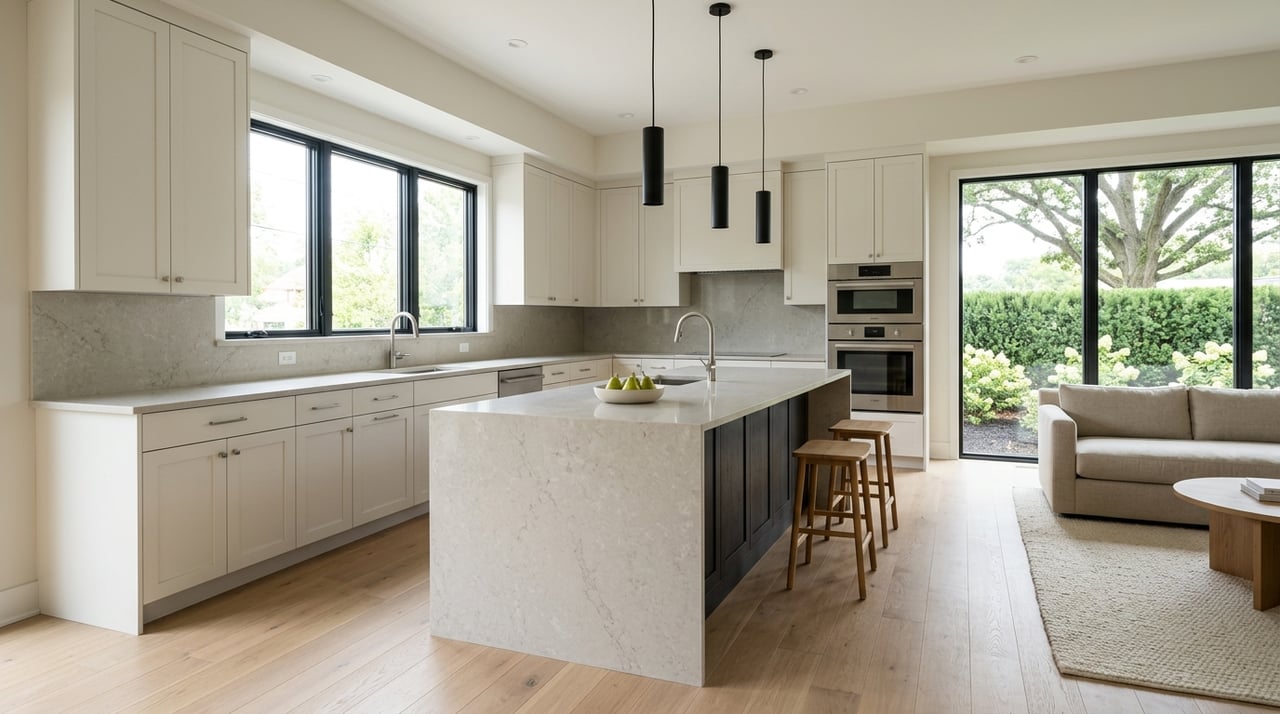
Once repair decisions are clear, presentation takes over. NAR recommends cleaning windows, carpets, fixtures, and walls, decluttering, and improving curb appeal with landscaping, paint, or front entrance updates, according to its seller preparation guide.
These basics matter because polished homes feel easier to trust. Clean surfaces, orderly storage, and a tidy exterior help buyers focus on the property itself instead of the work they think they will inherit.
In Rochester’s upper-tier market, this can be especially important for larger detached homes where first impressions extend beyond the front door. Driveways, lawns, entries, and outdoor living areas all shape how the property is perceived.
Not every room carries the same weight. In the 2025 NAR staging report, buyers were most sensitive to the living room, primary bedroom, and kitchen.
That same report found that 29% of agents said staging increased the dollar value offered by 1% to 10%, and 49% said staging reduced time on market. It also found the median cost of a staging service was $1,500.
If you are deciding where to invest first, prioritize the spaces that shape emotional response and daily living. Buyers want to understand how the home feels, how it functions, and whether they can picture themselves there.
Today, your listing usually has to win online before it wins in person. Zillow’s 2025 consumer housing trends report found that floor plans were the most important listing feature for 33% of prospective buyers, followed by high-resolution photos at 26%, 3D or virtual tours at 20%, and written listing descriptions at 15%.
The same report found that 59% of prospective buyers had been shopping for six months or longer, and 67% had viewed homes for sale on a real estate website. That tells you something important: by the time a buyer sees your home online, they may already be comparing it against many others.
The NAR guidance on online listings reinforces that point, recommending photos, video, virtual tours, and floor plans, along with listing descriptions that tell a story about how the home lives. For a luxury property, a generic feature list is rarely enough.
In higher-end marketing, presentation is not only visual. It is narrative. Buyers want context that helps them understand the home beyond bedroom and bath counts.
That is why strong listing copy should explain flow, setting, and everyday experience. According to NAR’s online listing recommendations, effective descriptions should feel more like a story than a simple inventory of features.
For Rochester luxury listings, that might mean highlighting privacy, lot setting, entertaining spaces, custom craftsmanship, or the convenience of a move-in-ready home. When your marketing tells a cohesive story, buyers can connect the visuals to a lifestyle and value proposition much faster.
One of the biggest benefits of white glove preparation is not just the finished look. It is the reduction in seller stress.
When inspections, repairs, cleaning, staging, media, and launch timing are handled in a clear sequence, you can make decisions calmly instead of reactively. That can be especially valuable if you are balancing a demanding career, relocation timeline, or family schedule.
A project-managed approach also supports more discretion. Instead of piecing together vendors and appointments as the listing goes live, you can work through a deliberate plan that protects your time and helps your home hit the market in its strongest form.
Most sellers do not need perfection. They need thoughtful preparation that supports price, presentation, and buyer confidence.
The right level of prep depends on the property’s condition, price point, and likely buyer expectations. In Rochester’s upper-tier segments, where homes often offer larger footprints and full-property experiences, buyers may expect more polish and clearer marketing from the start.
That is why white glove preparation works best when it is tailored, not formulaic. You want to invest where it improves clarity, trust, and first impressions, while avoiding unnecessary work that does not move the decision forward.
If you are considering selling a higher-end home in Rochester or Olmsted County, a private, well-managed preparation plan can make the entire process feel more organized and more intentional. To explore a tailored strategy for your property, connect with Michelle Kalina and request a private White Glove consultation.
Stay up to date on the latest real estate trends.



Privacy begins at the entrance. Discover the comfort, connection and country club lifestyle of Bearpath in Eden Prairie.





Whether you're purchasing your dream home or selling a prized property, Michelle offers strategic insight, elevated marketing, and results-driven representation. She blends local expertise with national reach and a global perspective — always thinking creatively, advocating fiercely, and treating every client like family.