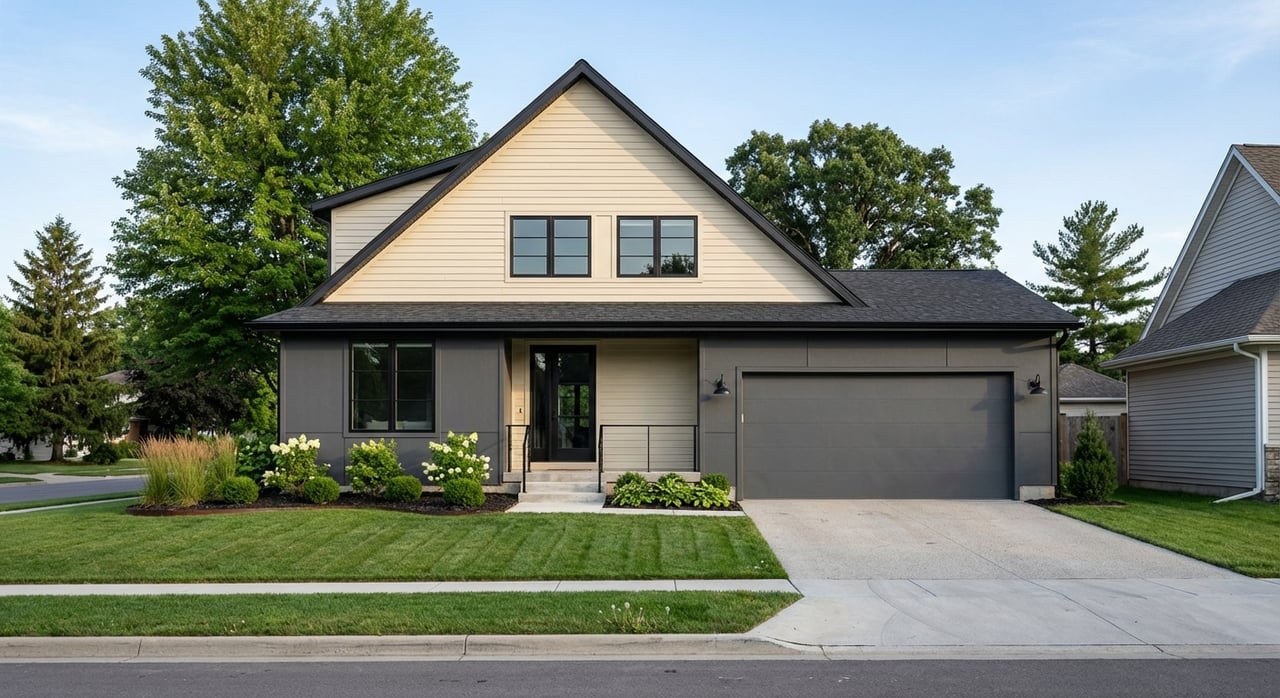
Choosing The Right Rochester Neighborhood As A Mayo Physician
February 19, 2026
February 19, 2026
Your neighborhood choice shapes your daily life as a Mayo physician, from overnight call and early rounds to family routines and weekend downtime. You want a short, reliable commute without giving up the space, character, or amenities that fit your lifestyle. In this guide, you’ll see how Rochester’s core neighborhoods compare on commute, housing style, and family considerations, plus a simple framework and checklist to help you move forward with confidence. Let’s dive in.
For most physicians, your practical center of gravity is Mayo Clinic’s main campus at 200 First St SW in downtown Rochester. Think in terms of your primary building and typical shift times when you test any address. Commute times change by time of day, so run real-world checks for 7 a.m., noon, and 5 p.m.
For a citywide price context, Zillow reports a typical Rochester home value around the low to mid $300,000s (about $327,000 as of January 31, 2026). Neighborhood medians vary, especially in historic districts and larger-lot suburbs, so use this as a baseline and confirm by area when you get serious.
Transit and parking are evolving, with a planned Link Rapid Transit project along the downtown and Second Street corridor that could reshape options over the next few years. You can follow local updates in coverage of the city–Mayo agreement for rapid transit that would forgo fares for riders. Read more in this overview of the Link Rapid Transit partnership and fare approach. For everyday logistics like public parking, skyway access, and shuttles near campus, check current guidance from The Park Rochester.
If you want the shortest commute, this is your zone. Many addresses are walkable or bikeable to St. Marys, Methodist, or Gonda, with typical drives of about 2 to 8 minutes when you do get in the car. Several buildings in this area specifically market themselves to Mayo staff because of the proximity and shuttle options.
You’ll find a mix of older single-family homes on smaller lots, mid-rise condos, and newer apartments. Inventory often includes furnished or short-term units, which can be a fit for trainees or early-career physicians planning a 1 to 3 year stay.
Lifestyle here is about convenience. You trade yard size for walkability and quick access to restaurants, trails, and employee shuttles. Families do live here, but the housing stock is lighter on large-lot options.
Historic Southwest, including Pill Hill, offers character-rich homes within minutes of St. Marys and downtown. Some streets are an easy walk to campus. Expect a higher price point for well-preserved or renovated historic properties and a more limited supply.
The architecture is a draw: early 20th-century limestone and revival styles with a strong neighborhood identity. If you are considering renovations, review historic-district guidance in the city’s Pill Hill heritage preservation resources and learn about the area’s background via this Pill Hill overview.
Families appreciate the established feel and central location. As always, verify current school attendance boundaries with the district if that is a priority for you.
If you are on staff at Saint Marys and want the absolute minimum commute, Folwell and the blocks directly around St. Marys are tough to beat. Many addresses are a 1 to 5 minute drive, and some condos or townhomes are right across from hospital buildings.
Housing ranges from older single-family residences to condo and apartment options. You also have nearby access to recreation like Soldiers Field and city trails.
Families here often reference Folwell Elementary and Mayo Senior High. For a neutral, data-oriented look at high school indicators, explore Mayo Senior High on GreatSchools, and always confirm boundary details with ISD 535.
These northwest neighborhoods are popular with households seeking more space, larger lots, and a more suburban feel. Typical drives to the main campus range from about 10 to 25 minutes depending on the exact address, with the closer edges sometimes coming in faster and the outer edges taking longer.
You’ll see a lot of mid-to-late 20th century and newer construction, plus parks and family amenities. Many of these areas feed into Rochester Public Schools that include Century High. For directional research, review Century Senior High on GreatSchools, then verify current feeder patterns with the district.
If you prioritize yard space, garages, and multi-bedroom floor plans, this quadrant should be on your short list.
Buyers looking for newer subdivisions and larger floor plans often focus in this direction. Typical drives to downtown run about 12 to 25 minutes or more depending on location. Some areas sit closer to the airport and southern city limits.
Expect executive-style homes, planned neighborhoods, and competitive price per square foot compared to the historic core. Families frequently choose these areas for space and newer systems.
School boundaries vary here and may include Mayo or Century depending on the address. Confirm the latest attendance maps with the district before you buy.
Use these prompts to turn your priorities into a clear short list:
Use this copy-ready list as you compare addresses:
Downtown mobility and parking are shifting. A city–Mayo partnership is advancing a Link Rapid Transit corridor along Second Street that could make transit more convenient for campus commutes. Keep an eye on timeline and routing updates through local reporting on the fare-free rapid transit agreement. If you expect to be in Rochester for several years, these changes may affect how you value walkability or proximity to future stations.
Your time is limited, and your needs are specific. A trusted, concierge-style approach streamlines the process so you can focus on patient care and family. With a relocation lens tailored to physicians, you can expect:
Ready to explore neighborhoods that fit your routine and your goals? Request a private White Glove consultation with Michelle Kalina.
Stay up to date on the latest real estate trends.
Whether you're purchasing your dream home or selling a prized property, Michelle offers strategic insight, elevated marketing, and results-driven representation. She blends local expertise with national reach and a global perspective — always thinking creatively, advocating fiercely, and treating every client like family.